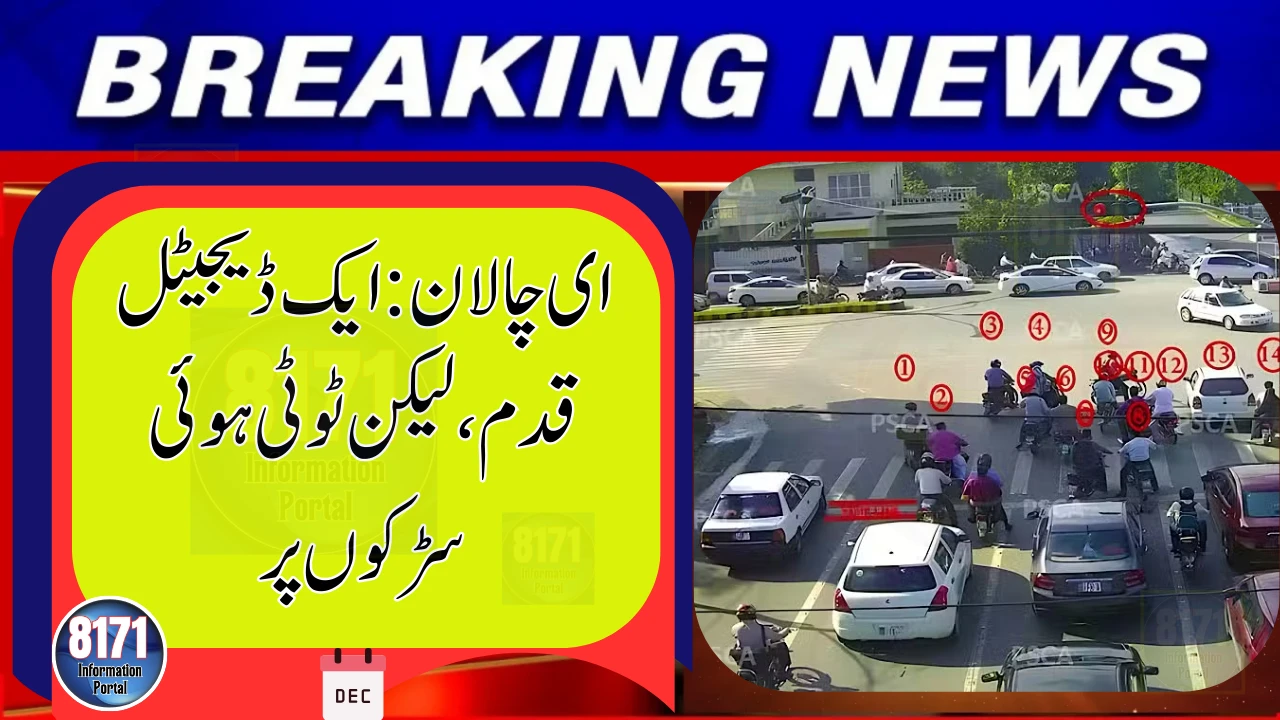
Karachi’s new e-challan system was supposed to bring order to a city long known for chaotic traffic, missing signals, broken roads, and endless diversions. On paper, digital enforcement makes sense — automated cameras, less corruption, and clear accountability.
But in reality, the system has been launched in a city that is simply not ready for it.


When Reform Becomes a Burden
For most Karachiites, vehicles are not luxuries — they are survival tools. Many people drive old, poorly maintained cars and bikes because they cannot afford anything better. When these citizens suddenly receive heavy challans — often without even knowing one has been issued — the system stops looking like reform and starts feeling like punishment.
Digital illiteracy makes the situation worse. Thousands don’t know how to check challans online, access apps, or read English notifications. A city with unreliable internet cannot depend on a fully digital enforcement model.
Women Face an Even Bigger Challenge
Many women tint their car windows for safety, not style. Now they face fines for the very thing that protects them. And if the challan is wrong, where should they go? Long queues, police stations, and unsafe environments are not options for many women. A digital system without gender-sensitive processes is simply incomplete.
Enforcement Without Infrastructure
Citizens ask a simple question:
How can we follow rules when the city itself breaks them?
-
Broken or missing traffic lights
-
Zero lane markings
-
Dug-up roads and sudden diversions
-
Potholes forcing vehicles into accidental violations
Strict fines make no sense when basic infrastructure is missing. Accountability cannot flow in only one direction.
A System That Feels Rushed
Many Karachiites feel the system was implemented too quickly:
-
Speed-limit signs installed after fines were issued
-
Cars parked at home still receiving challans
-
People fined for vehicles they sold years ago
-
Outdated databases
-
CNICs being blocked for unpaid challans
This creates the impression that the goal is revenue collection, not real traffic reform.
Reform Cannot Punish Poverty
With high inflation and low incomes, repeated penalties push people further into hardship. If CNIC blocks stop people from getting jobs or accessing services, the system is harming the public rather than helping.
Reform should create safer mobility, not destroy livelihoods.
What Karachi Really Needs
The e-challan system is not the problem — its execution is.
A fair and effective approach requires:
-
Fixing signals before enforcing them
-
Repairing roads before expecting lane discipline
-
Public awareness campaigns
-
Updated and accurate databases
-
Safe spaces for women and general public to contest challans
-
A phased rollout, not an overnight shock
Digitization can bring real change — but only if the ground realities are fixed first.
A City Ready for Reform Needs Reform Ready for the City
Karachi wants modernization. Karachi needs transparency. Karachi is tired of chaos.
But reforms must feel fair, not frightening.
A system meant to create order should not become a new source of anxiety.
Real progress doesn’t come from penalties alone — it comes from planning, compassion, and trust.